Creating a productive home office environment is key to staying focused, motivated, and comfortable throughout your workday. Whether you’re working remotely full-time or just need a dedicated space for occasional tasks, the right setup can make a big difference in your efficiency and well-being. In this post, we’ll explore practical tips to help you design a home office that supports your productivity and keeps distractions at bay.
Choose the Right Location
The first step is selecting a space in your home dedicated solely to work. Ideally, this should be a quiet area with minimal foot traffic and distractions. Consider these factors when picking your home office spot:
– Natural Light: A room or corner with windows can boost your mood and energy.
– Privacy: Look for a space where you can close the door or separate yourself from household noise.
– Space: Ensure there’s enough room for your desk, chair, and storage needs.
If you don’t have a separate room, using a screen or bookshelf to partition a section of a shared room can create a designated work zone.
Invest in Ergonomic Furniture
Comfort is important when you spend hours at your desk. Poor posture can lead to discomfort and reduce your focus. Consider these furniture tips:
– Chair: Choose an adjustable chair that supports your lower back and encourages proper posture.
– Desk: Select a desk with enough surface area for your computer, writing materials, and other essentials.
– Monitor Height: Place your monitor at eye level to reduce neck strain.
You might also explore standing desks or desk converters for a change of position during the day, which can enhance circulation and reduce fatigue.
Organize Your Workspace
Clutter can distract and overwhelm, so keep your home office organized:
– Storage Solutions: Use shelves, filing cabinets, or desk organizers to keep supplies and documents tidy.
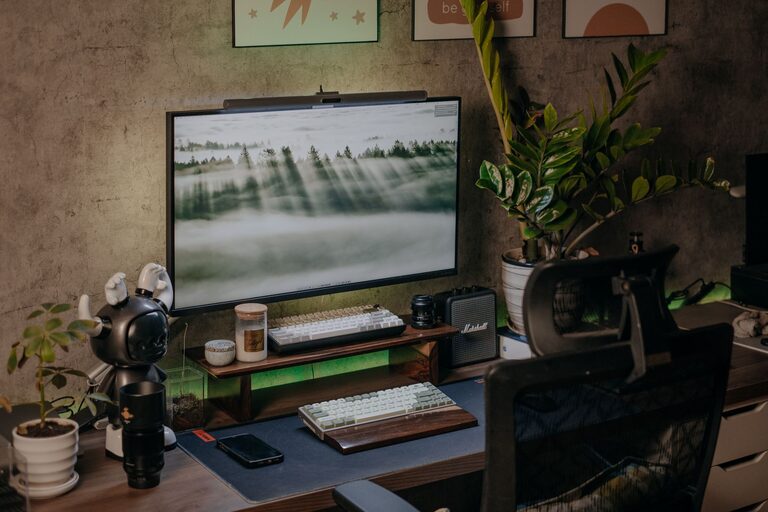
– Cable Management: Use clips or ties to reduce cable mess and create a clean work surface.
– Minimal Essentials: Keep only things you use daily within arm’s reach.
A neat and orderly workspace not only looks inviting but also supports better concentration.
Optimize Lighting
Good lighting reduces eye strain and keeps you alert. Here’s how to set it up:
– Natural Light: Position your desk near a window but avoid glare on your screen.
– Task Lighting: Use a desk lamp with adjustable brightness for focused work.
– Overhead Lighting: Ensure your room is evenly lit, avoiding harsh shadows.
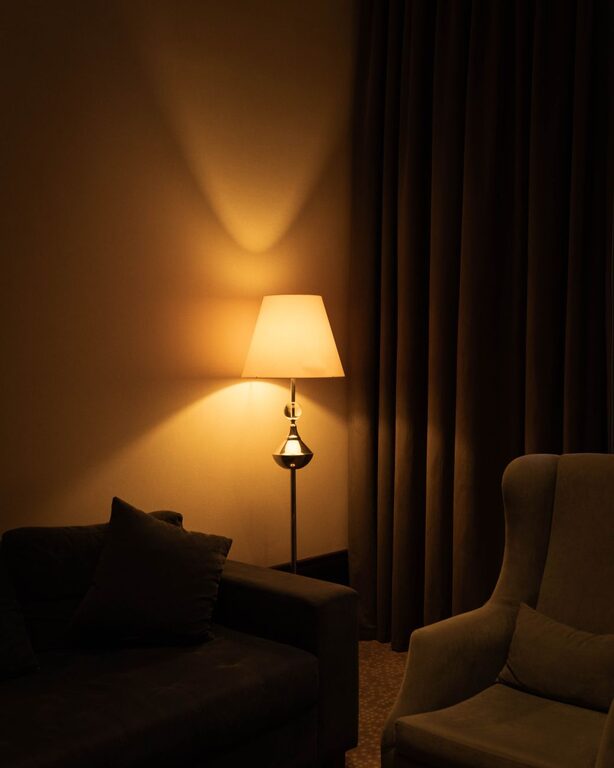
Consider warmer light in the evenings to help your body wind down after work.
Minimize Distractions
Keeping distractions to a minimum is essential when working from home:
– Noise Control: Use noise-canceling headphones or white noise machines to block household sounds.
– Set Boundaries: Communicate your work hours to family or housemates to reduce interruptions.
– Digital Detox: Turn off non-work notifications on your devices during focus periods.
Try techniques like the Pomodoro method—working in focused bursts with breaks—to maintain attention.
Personalize Your Space
Adding personal touches can make your home office inviting and inspiring:
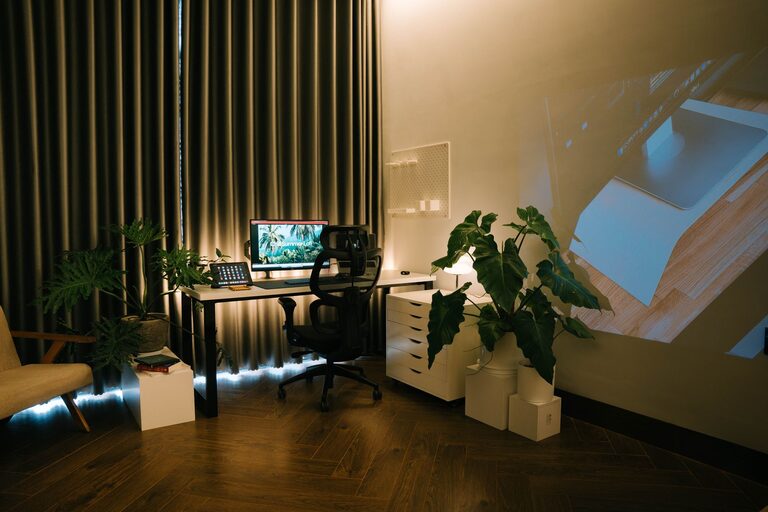
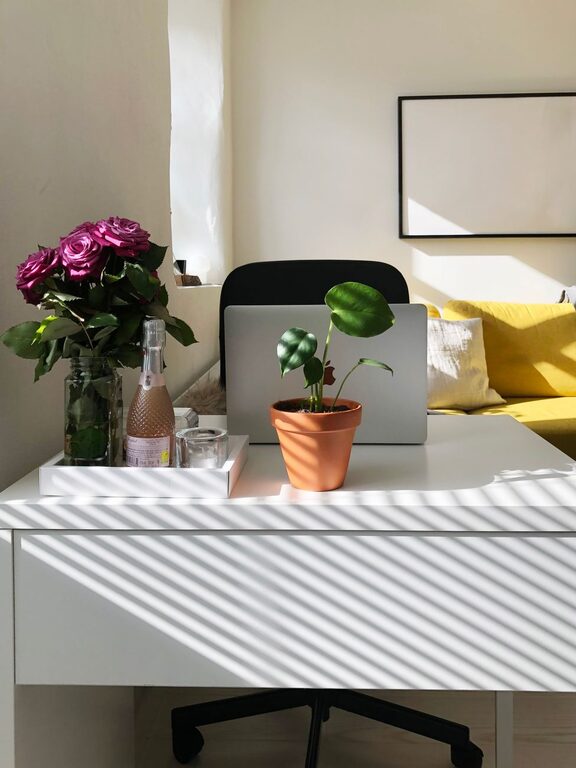
– Plants: Greenery not only brightens the space but can also improve air quality and mood.
– Artwork or Photos: Display items that motivate or make you happy.
– Color Choices: Use colors that promote calmness or creativity, such as blues or greens.
A space you enjoy spending time in can increase your motivation and satisfaction.
Maintain Healthy Habits
Your environment affects your habits, so incorporate these practices to stay well:
– Take Breaks: Stand, stretch, or walk around every hour to avoid fatigue.
– Stay Hydrated: Keep a water bottle nearby and sip throughout the day.
– Good Posture: Regularly check your posture and adjust seating as needed.
Keeping these habits supports productivity and long-term health.
Use Technology Wisely
Make technology work for you by:
– Organizing Digital Files: Keep your desktop and folders in order to save time.
– Using Productivity Tools: Apps for task lists, calendars, and time tracking can keep you on schedule.
– Ensuring Good Internet: A reliable internet connection minimizes disruptions during meetings and uploads.
Remember to take screen breaks to reduce eye strain and mental fatigue.
Set a Routine
Establishing a work routine helps separate work time from personal time:
– Consistent Hours: Start and end your day at regular times.
– Morning Ritual: Begin with a routine that signals the start of work, like making coffee or reviewing your to-do list.
– End-of-Day Ritual: Close out your workday intentionally by tidying your workspace and planning for tomorrow.
A clear routine improves focus and helps avoid overworking.
—
By applying these tips, you can create a home office environment that fosters productivity, comfort, and balance. The key is to choose a functional space, maintain organization, and build habits that support your best work. With the right setup, your home office can be an inspiring place where you achieve your goals efficiently and comfortably.
About the Author